
E. Maria Leister proposes a bioethical framework for promoting the flourishing of forcibly displaced peoples.
__________________________________________
Humanity is witnessing unprecedented levels of forced migration due to a combination of global challenges, including armed conflicts, climate change, and systemic inequality. Notably, the conflict in Sudan has displaced 14 million people, relegating them to lives existing in substandard, temporary shelters. Traditionally, humanitarian responses to these crises have prioritized ensuring basic survival for migrant communities, focusing on providing essentials like water, food, shelter, and safety. This approach, driven by policies of deterrence and containment, is critical but ultimately insufficient to uphold the dignity that forcibly displaced people deserve. By focusing only on immediate survival, deeper systemic issues remain unaddressed, allowing entrenched inequalities to persist. Such policies may appear efficient and practical, but systemic oppression has established structures that continue cycles of marginalization, almost ensuring that future generations remain disadvantaged. This enduring injustice prevents communities from flourishing. To tackle the forced migration crisis fueled by conflicts, climate change, and inequality, we must urgently shift our focus toward enabling human flourishing and addressing the root causes of these complex challenges.
Forced migration presents complex ethical challenges, notably the delicate balance between state sovereignty and the rights of displaced individuals. This dilemma becomes even more pressing when considering the particular vulnerability of groups such as children, women, LGBTQ+ individuals, and people with disabilities. A robust ethical framework focusing on safety, dignity, and flourishing can guide policies to navigate these challenges more equitably. A recent report from the Norwegian Refugee Council suggests that shelter needs have doubled in just five years, with notable cases in places like Gaza and regions including Sub-Saharan Africa and Asia-Pacific, where the largest climate-related migration is predicted. Those displaced by phenomena exacerbated by fossil fuel emissions and geopolitical actions of wealthier nations face a moral obligation for protection. Addressing this responsibility means acknowledging the impact of our collective actions on vulnerable populations and making significant policy changes to offer them both security and opportunity.
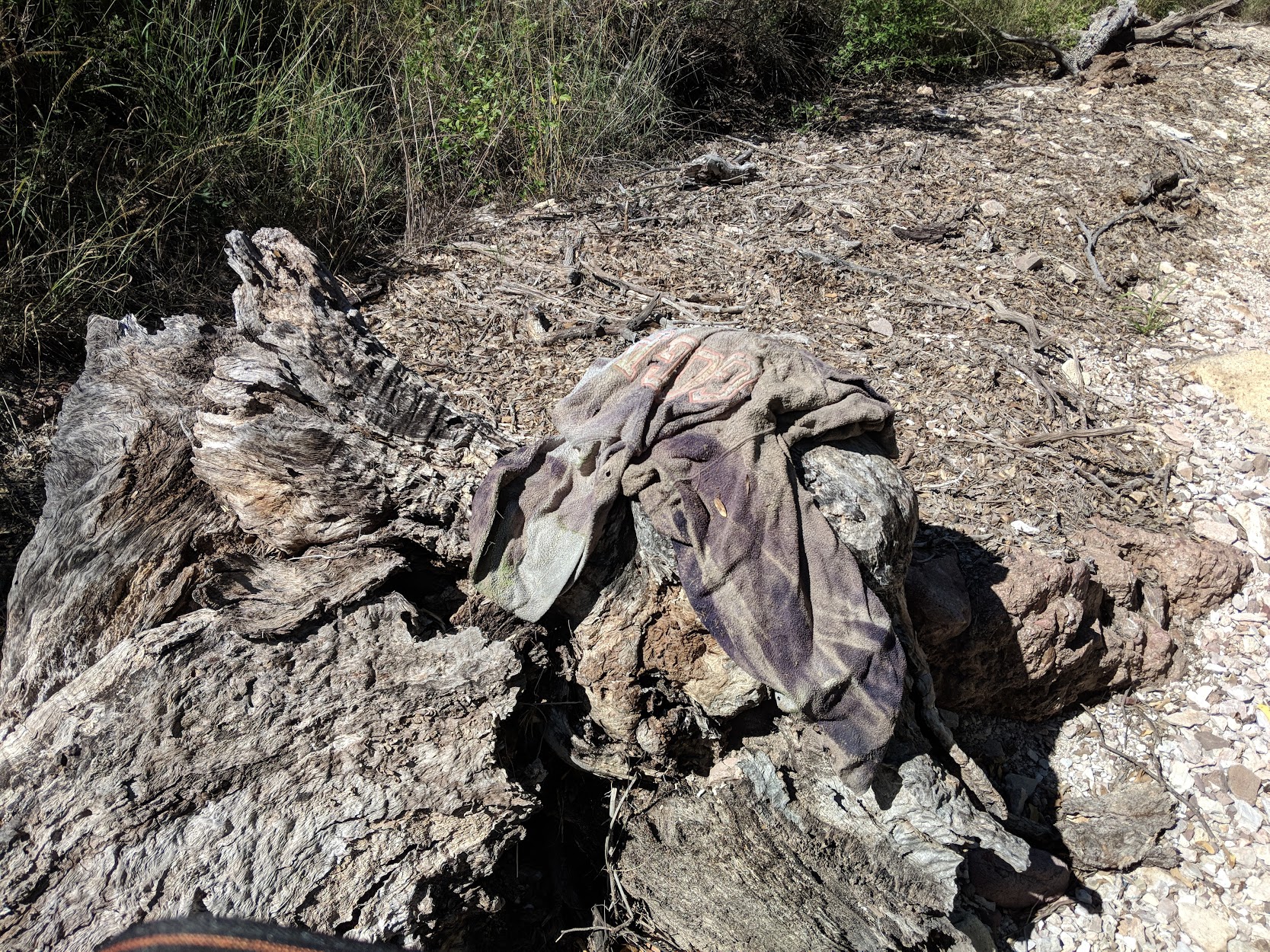
Photo Credit: uusc4all/flickr. Image Description: Items of clothing abandoned by migrants along a trail.
The ethical implications of mass deportations are profound, particularly when migrants are returned to unsafe or hostile environments. Current policies often favor deterrence over protection, conflicting with ethical principles recognizing human dignity and shared responsibility. An approach rooted in just compassion should be adopted—one that values human dignity by treating migrants as partners in decision-making processes rather than mere beneficiaries of aid.
Transforming the current humanitarian paradigm requires transitioning to a model that supports education, economic participation, and community integration as essential stages in care for the forcibly displaced. Successful examples of such initiatives include programs providing skills training, mental health support, and international coalitions promoting safe migration routes and resettlement options. These efforts demonstrate that when empowered, migrants can actively contribute to and thrive within their new communities. Rising global polarization intensifies the challenges inherent in crafting equitable migration policies. Nevertheless, leveraging technology and global collaboration can offer innovative solutions for safe migration. Digital identities, blockchain-based humanitarian aid, and community-centered projects are promising advancements, though ethical safeguards are needed to address potential data security concerns, exploitation risks, and unequal technology access.
A bioethical framework for the forcibly displaced that transcends mere survival and embraces human flourishing is imperative. It requires a concerted effort from governments, NGOs, and the bioethics community to implement policies and drive systemic changes prioritizing safety, dignity, and opportunity for displaced populations. Empowering migrants to flourish is not just a moral obligation; it is also a pathway to developing resilient, inclusive societies that recognize the value and potential of every individual.
__________________________________________
E. Maria Leister is a member of the Teaching Faculty at the Center for Bioethics, Harvard Medical School, the Director of Education at the Harvard Program in Refugee Trauma, and the Founder and Executive Director of the Project For Our Future.


 Impact Ethics