
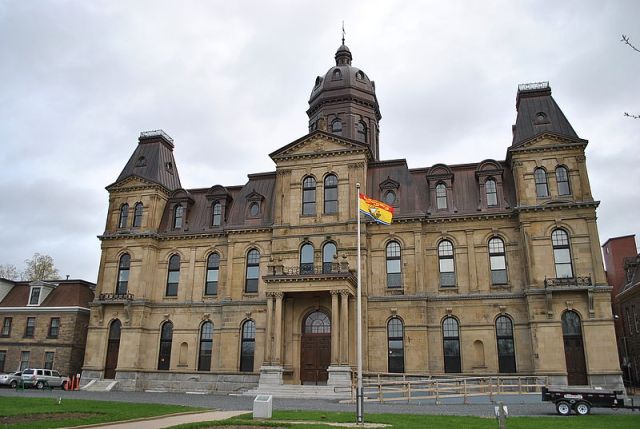
Julien Brisson argues that New Brunswick’s policy mandating parental consent for students under 16 to use their preferred names and pronouns creates unjust inequalities between students based on parental support.

Jean-Christophe Bélisle-Pipon and Zoha Khawaja shed light on the crucial task of untangling the limitations, dispelling misconceptions, and averting potential misuses of AI chatbots in the dynamic landscapes of human-machine relationships and in mental health services.

Angel Petropanagos and Andria Bianchi highlight the lack of agreement about what “advocacy” means in healthcare and suggest that a narrowly defined advocacy role is necessary for the work of practicing healthcare ethicists.

Dessislava Fessenko shows that while artificial intelligence might revolutionize drug development, its use comes with risks and potential ethical implications. Iterative ethics oversight from the get-go is needed to address the looming concerns.

Daryl Pullman examines a recent article that defends expanded eligibility for medical assistance in dying on questionable grounds of autonomy and harm reduction.


 Impact Ethics