

Sharon E. Straus discusses the urgent need for the upcoming G7 summit to address climate change impacts on health.

Danielle Gibbs argues that addressing systemic racism in nursing is not only a moral imperative but an ethical necessity to uphold justice, beneficence, and non-maleficence within health care.

Jade Ealy frames hope as a moral commitment—not rooted in a feeling, but in how we choose to show up in the world and how we care for one another.

Ayla Raabis explores the state of autonomy in clinical settings for incarcerated patients in Canada and adopts a relational perspective to better understand how to promote autonomy.
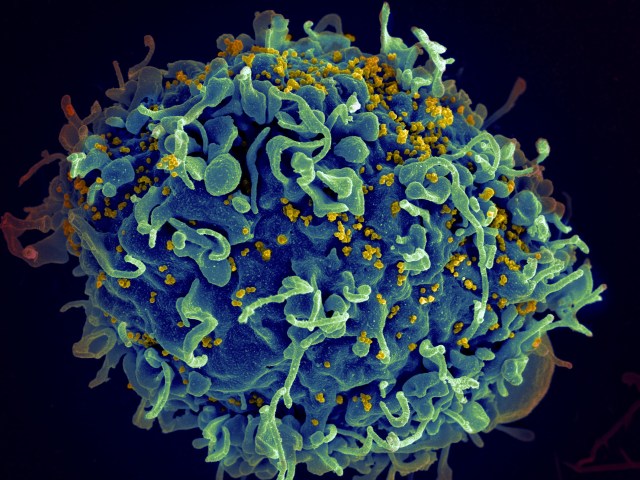
Julian Hopwood-Raja argues that universal, barrier-free access to HIV medicines is not just a matter of beneficence for patients and the health system but important for public health and ethical resource allocation.


 Impact Ethics