

Niklas Kirchner and Daniel Lucas identify three major moral problems with a recently proposed bill offering prisoners reduced sentences in exchange for organ donation.

Nicole Fice questions whether feminist objections to the idea of brain-dead individuals as gestational surrogates can be easily dismissed.

Addie Tiller discusses the nuances of toxicants in cosmetics and how researchers and politicians are calling for better regulation in Canada.

James A Anderson and Andrew Helmers reflect on the recent Baby W case and call for clarity regarding the limits of both parental and medical authority in medical decision-making for children.
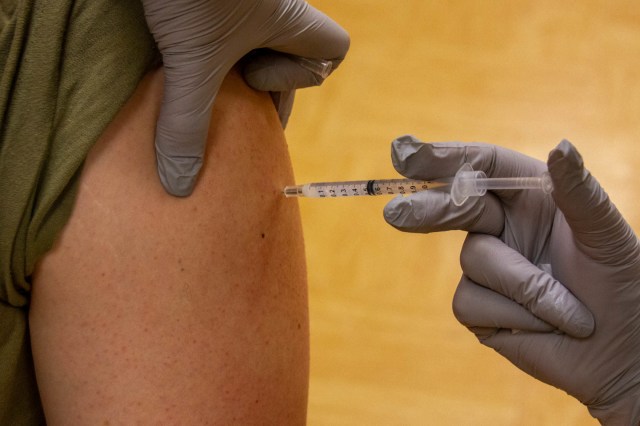
Maxwell J. Smith considers the nature and significance of unintended consequences of vaccine mandates.


