
Rachel Stewart worries about misinformation targeting new biomedical technologies.
__________________________________________
Technological advances in healthcare and the biomedical sciences are revolutionizing the field at an unprecedented pace. Take, for example, the emerging field of wearable biomedical technology, like hearing aids, continuous glucose monitors, and “smart clothing” (for example, the Neopenda vital signs baby hat). Or consider new advanced therapies like gene and cell therapies and new nanotechnologies like nanobiosensors, or the many, rapidly- and ever-evolving surgical systems for robotic-assisted surgery. These innovations are improving patient outcomes, and overall quality of life for users. Emerging and established medical technologies provide unique opportunities to detect and prevent illnesses, maintain and improve health, and enhance skills and abilities, like precision and accuracy, that humans alone cannot demonstrate.
What would happen, however, if these evidence-based technological breakthroughs were to be hugely misunderstood, avoided, or feared? What happens if false and harmful claims are spread about their safety, efficacy, and true therapeutic purpose? What could we do, for example, if unfounded claims are advanced that new wearable glucose and heart monitors could “hack” the brains of their users, causing internal damage?
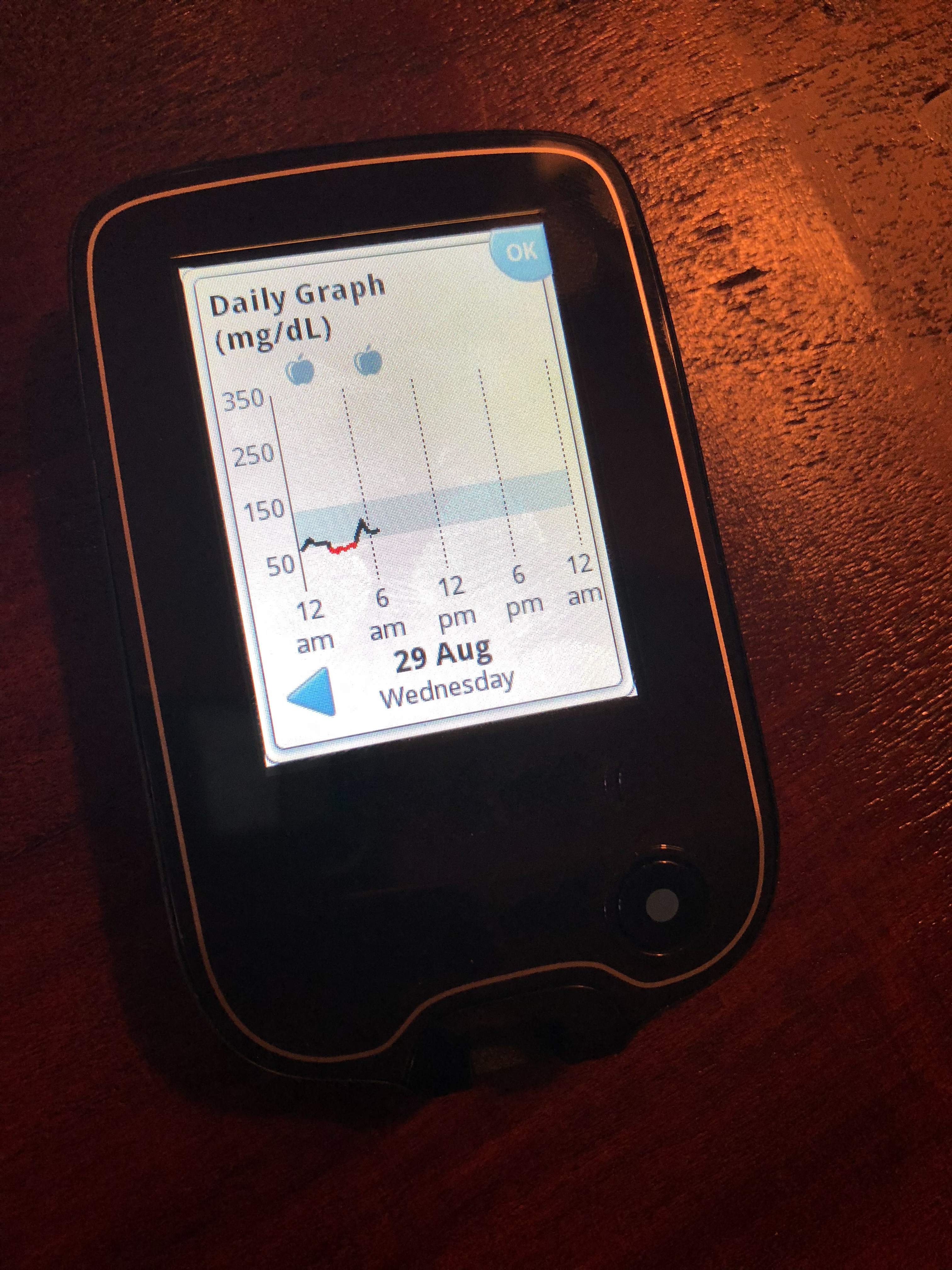
Photo Credit: Ted Eytan/flickr. Image Description: A continuous glucose monitoring device.
The (2023) Fault Lines report, commissioned by the Council of Canadian Academies, analyzes the harmful impacts that the proliferation of science and health misinformation can have in today’s digital world. The insights generated from this report could help elucidate the potential social disaster that could be prompted by the proliferation of misinformation about new medical technologies. As occurred during the COVID-19 pandemic, misinformation about these medical technologies has the potential to “create harm and undermine progress and public trust in scientific research”, biomedicine, and clinical practice. The spreading of lies could compromise the self-management and health outcomes of countless medical conditions, and slow the development of other potentially revolutionary medical technologies.
At the individual level, “science and health misinformation undermines personal well-being when it drives us away from evidence-based medicine” and interferes with our ability to make informed decisions about our health. If individuals interested in using medical technologies are unable to find reliable information, they may be dissuaded from adopting these technologies. For instance, a type-one diabetic with poor management of his condition who would benefit from the real-time monitoring of his glucose levels might become overwhelmed at the contradictory (mis)information surrounding continuous glucose monitoring technology, and ultimately choose not to use a device that could drastically improve his diabetes management. Led down the misinformation and conspiracy theory rabbit hole, a wary individual might instead turn to expensive and unproven alternative “therapies” which could lead to poorer health. Likewise, while not everyone will want to use—or will not benefit from—medical technologies, it is nonetheless important for all persons to have access to accurate and reliable information surrounding technology (e.g., nature, risks, benefits, capabilities, etc.), and that everyone is able to freely make informed decisions based on their personal values and beliefs.
On a global scale, scientific research and progress can be greatly affected by health and science misinformation. For example, if approved gene therapies like Luxturna (“voretigene neparvovec-ryzl”)—a gene therapy medication proven to treat inherited retinal dystrophies—became subject to misinformation on social or traditional media, public mistrust could negatively influence the direction of research and how results are framed. Recall that much of the misinformation about COVID-19 vaccines likened them to invasive gene therapies. As the Fault Lines report detailed, researchers can be influenced to pre-emptively respond to artificial controversies created by misinformation, which can waste resources. In this way, the backlash created by misinformation could contribute to the risk that the development of new medical technologies could be halted. Health misinformation sets us on a distrustful trajectory that threatens health outcomes and the mass avoidance of potentially lifesaving technologies.
__________________________________________
Rachel Stewart is a Master of Health Ethics student at Memorial University. This commentary was originally written in the context of a graduate seminar on health misinformation and lies.


 Impact Ethics