Impact Ethics

  • Disclaimer
  • Submit A Post
  • About
  • The Body Economy
Making a Difference in Bioethics

Between Evidence & Advocacy in Public Engagement

April 15, 2018 · by impact ethics · in Disability, Neuroethics, Research Ethics

Shelly Benjaminy and Anthony Traboulsee reflect on effective public engagement in brain research.

__________________________________________

The field of Neuroethics aims to align neuro-technology development with societal values. It embodies a deep commitment to engaging citizens in deliberations about research in an effort to democratize science. But, public engagement is not without challenges. Precedents in the brain sciences illustrate that pluralistic deliberations may reveal divergent opinions between the public, researchers, and policy makers. Differing beliefs and worldviews may be difficult to reconcile. Maintaining public trust amidst conflicting priorities may threaten the sustainability of research enterprises. However, community engagement experiences in the neurosciences offer opportunities to reflect on partnering with citizens in the development of science.

Community engagement in the neuro-sphere has been marked by many successes. To give an example from addiction science, advocates in Vancouver have carved a niche for InSite, a supervised injection facility for individuals who use drugs, despite numerous social and political hurdles. Recent years have also seen community engagement that has blurred the distinction between researcher and researched. For example, in 2008 preliminary evidence suggested that lithium carbonate might delay the progression of Amyotrophic Lateral Sclerosis (ALS). Because ALS has few available therapies, patients began accessing lithium carbonate “off label” while ALS trials were underway. Advocates in the ALS community partnered with PatientsLikeMe—an online patient network—to gather outcomes data among those using the drug off label. This patient-led study suggested that lithium carbonate was ineffective, which led to halting scientist-led trials. This initiative spared patients and researchers the significant opportunity costs of pursuing an ineffective therapy.

While successes in community engagement in the neurosciences are many, public controversies have also revealed challenges. One recent example is chronic cerebrospinal venous insufficiency in the multiple sclerosis community. In 2009, researchers hypothesized that narrowed veins in the neck, are the cause of multiple sclerosis. These narrowed veins were thought to hinder the removal of blood from the brain and spinal cord and cause a build-up of iron that induces inflammation and myelin sheath attack. This hypothesis was followed by a trial that tested a vein opening operation, termed “Liberation Therapy.” The surgery initially demonstrated symptom improvement in a small sample of patients, and immediately caught the attention of the multiple sclerosis community. The scientific community, however, was sceptical, and follow up studies demonstrated that chronic cerebrospinal venous insufficiency occurs at equal rates in the multiple sclerosis population and general population.
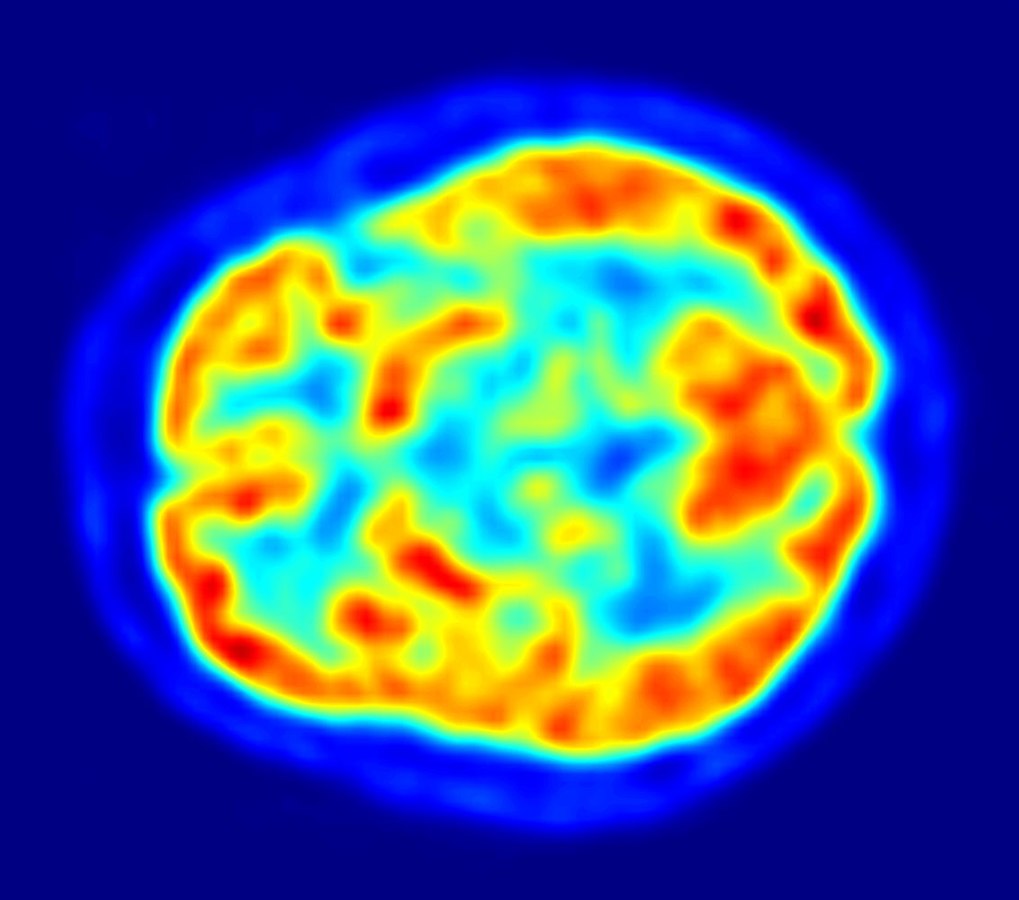
Image Description: A transaxial slice of a human brain taken with positron emission tomography (PET). Scan appears blue, red, orange, and yellow.

Despite scientific concerns, the publicity of the Liberation Therapy was largely fueled by multiple sclerosis community activists on social media. Within two years of the initial trial, thousands of people engaged with more than 500 Facebook groups, pages, and events about the procedure. Over 4000 YouTube videos about this procedure surfaced. Emotionally charged accounts documented the positive experiences of patients who underwent the procedure. Anecdotal evidence motivated thousands to seek the surgery in countries that continued to offer it despite warnings from the scientific community and regulatory agencies.

Advocacy efforts persisted even in the face of severe side effects and deaths linked to these surgeries. Advocates continued to publicize the Liberation Therapy, organize public demonstrations, and lobby governments for further research. Such advocacy efforts mobilized funding for additional research, despite some concerns about the lack of clinical equipoise.

Recent randomized clinical trials in Canada and Italy report negative results from the chronic cerebrospinal venous insufficiency procedure.

As ethicists, scientists, and policymakers, what ought we do when public demands stray from scientific evidence? The chronic cerebrospinal venous insufficiency experience presents an opportunity to reinforce an infrastructure of trust, informed hope, and knowledge-based humility at the interface between science and society.

Public engagement requires trust. The challenges illustrated by chronic cerebrospinal venous insufficiency research demonstrate that sustainable trust in the public sphere must be cultivated proactively. Additionally, this research experience illustrates an opportunity to dedicate empirical focus to the complexities of trust relationships between the scientific community and the broader public.

Another facilitator to successful public engagement is informed hope. The scientific community should disseminate accessible information about research in a manner that privileges social responsibility over hype. Conscientious communications focus on incremental advances in science, caveats of research, and time frames for clinical applications.

Finally, to establish honest conversations that promote informed hope and build trust, researchers must approach the public—particularly patients who may have heightened stakes in the advancement of science—through a lens of knowledge-based humility. Knowledge-based humility is based on openness and reciprocity between collaborators, rather than a top-down assertion of expertise. In this manner, the lived experience of lay experts such as patients and their families would be honoured and productively guide the development of research.

Experiences in the neurosciences demonstrate that community engagement is a complex endeavour. The complexities of public scholarship can only be matched by its tremendous potential to celebrate pluralism with an emphasis on social responsibility and responsiveness in research.

__________________________________________

Shelly Benjaminy is a bioethicist at the Shirley Ryan AbilityLab in Chicago, Illinois. @ShellyBenjaminy

Anthony Traboulsee is an Associate Professor of Neurology at the University of British Columbia and the Director of the Multiple Sclerosis Clinic and Clinical Trials Research Group at University of British Columbia Hospital. He is the Principal Investigator of the Canadian chronic cerebrospinal venous insufficiency clinical trial.


*A longer version of this reflection was originally published in Neuroethics: Anticipating the future (2017). 

Share this:

  • Click to print (Opens in new window) Print
  • Click to email a link to a friend (Opens in new window) Email
  • Tweet
Like Loading...

Related

Tags: ALS, Anthony Traboulsee, public engagement, public trust, Shelly Benjaminy, social media
Re-posting IE blogs: Impact Ethics permits non-commercial redistribution of commentaries, as long as the original commentary is passed along unchanged and in whole, with credit to the author and a link to the original Impact Ethics post. For commercial reprints, please contact the blog manager at impactEthics@mun.ca

  • Memorial Centre for Bioethics
  • Disclaimer
← Paying Surrogates & Donors: Against Canadian Values
Talking about decriminalization is not enough →


Learn about The Body Economy

Read Impact Ethics posts on The Body Economy

Watch: The Body Economy: Human Eggs in the Marketplace

Watch: The Body Economy: Surrogacy in the Marketplace

Watch: The Body Economy: Blood products in the Marketplace

Watch: The Body Economy: Breast milk in the Marketplace

Watch: The Body Economy: Organs in the Marketplace

Follow us on Twitter

My Tweets

Topics

  • Adolescents (1)
  • adoption (1)
  • Alternative Medicine (4)
  • Angel Petropanagos (1)
  • Animal Research (8)
  • artificial intelligence (6)
  • Artificial Intelligence (AI) (10)
  • Ask-LTC project (1)
  • Assisted Reproduction (97)
  • Big Data (12)
  • bioethics (7)
  • Canada (63)
  • Canadian Bioethics (156)
  • Cancer (6)
  • Chatbots (2)
  • children (4)
  • CIHR (10)
  • Clinical Ethics (100)
  • Community (132)
  • Coronavirus (48)
  • COVID-19 (53)
  • Criminal Justice (7)
  • CRISPR (5)
  • Death & Assisted Dying (98)
  • Death and Dying (16)
  • disabilities (16)
  • Disability (78)
  • Education (23)
  • eHealth (10)
  • Environmental Ethics (26)
  • Ethics Quality Improvement (3)
  • euthanasia (12)
  • Fertility Preservation (17)
  • Fitness (7)
  • Genetic Technologies (25)
  • Global Health (56)
  • Global solidarity (23)
  • Health Education (31)
  • Health Research (89)
  • Human Rights (25)
  • Impact Ethics (34)
  • In Memoriam (2)
  • Inclusivity (45)
  • Indigenous Health (13)
  • inspirational (9)
  • International Healthcare (44)
  • Law & Policy (413)
  • LGBTQ2 (10)
  • LGBTQI (18)
  • Long-Term Care (10)
  • MAiD (20)
  • Medical Tourism (12)
  • Mental Health (69)
  • Motivational (2)
  • Neuroethics (17)
  • Newfoundland and Labrador (4)
  • Nursing (2)
  • Occupational Health (8)
  • Older Adults (12)
  • Opioid Crisis (1)
  • Organ Donation (19)
  • Paediatric (36)
  • Paediatrics (4)
  • Pandemic (36)
  • Patient-Oriented Research (12)
  • Peace and Conflict (1)
  • Petition (10)
  • Pharmaceuticals (61)
  • physician-assisted dying (24)
  • politics (2)
  • Privacy and Trust (62)
  • Psychology (8)
  • Public Health (165)
  • Queer Studies (13)
  • Racism (1)
  • Refugee (1)
  • Reproduction (107)
  • Research Ethics (98)
  • research ethics board (10)
  • Science and Technology (112)
  • Science Funding (25)
  • Sex Selection (8)
  • Sexual Health (61)
  • Sexuality (29)
  • Social Justice (87)
  • Sports (1)
  • Uncategorized (24)
  • Vaccine (24)
  • vulnerability (96)
  • women (25)
  • World Health Organization (7)

Subscribe by RSS Feed

RSS Feed

RSS Bioethics Forum

  • Finding Common Ground to Reduce Gun Violence
  • The Multiplicity of Monsters: Frankenstein, Nuremberg, and Us
  • Your Study is Terminated: Researchers Need to Prepare Participants
  • What COP30 Can Learn from Climate Bioethics
  • What Research Scandals? Welcome to the Bioethics Memory Hole
  • Legal Medical Aid in Dying: The Paradox of Privacy
  • Midwives Are Essential for Improving Mississippi’s Maternal and Infant Health
  • Geographical Aging
  • What We Talk About When We Talk About Dementia
  • Better Safe than Sorry? Tylenol, Pregnancy, and Ethics

RSS Biopolitical Times

  • Reproduction and Family Formation: The State and the Market
  • Feminist Intersections: Reproductive Genome Editing at a Crossroads
  • Genetic Justice from Start to Summit, Part 1
  • Genetic Justice from Start to Summit, Part 2
  • Why oppose heritable genome editing?
  • Forging New Disability Rights Narratives about Heritable Genome Editing
  • Clip: “How do we Change the Current Conversation About Heritable Genome Editing?”
  • Clip: Milton Reynolds on Eugenics and Historical Continuities
  • Clip: Krystal Tsosie on the Lack of Equitable Healthcare
  • Clip: Krystal Tsosie –The Danger of Democratizing Technologies and the Question "Who is Benefiting?"

RSS Fear & Loathing in Bioethics

  • An error has occurred; the feed is probably down. Try again later.

RSS Healthy Debate

  • An error has occurred; the feed is probably down. Try again later.

RSS Practical Ethics

  • Celebrating Women in Ethics #WiE
  • National Uehiro Oxford Essay Prize in Practical Ethics
  • Equity in Global Health: reflections from the Humanities
  • ‘Happy Birthday to E-Uni-Well’
  • When Slowing Down Creates Value
  • UOI’s First Anniversary!
  • Practically prompted #4: Carnival, Cameras, and Consent: The Ethics of Live Facial Recognition at Notting Hill
  • Practically Prompted #3: VPNs Top the App Charts After UK Age-Checks Kick In: What Does “Protecting Children” Justify?
  • Practically Prompted #2 – Regulating the Regulators: Europe’s New AI ‘Code of Practice’ and the Ethics of Voluntary Compliance
  • Congratulations to ‘IDEA’ in Leeds!

Archives

  • December 2025
  • November 2025
  • October 2025
  • September 2025
  • August 2025
  • June 2025
  • May 2025
  • April 2025
  • March 2025
  • February 2025
  • January 2025
  • December 2024
  • November 2024
  • October 2024
  • September 2024
  • August 2024
  • July 2024
  • June 2024
  • May 2024
  • April 2024
  • March 2024
  • February 2024
  • January 2024
  • December 2023
  • November 2023
  • October 2023
  • September 2023
  • August 2023
  • July 2023
  • June 2023
  • May 2023
  • April 2023
  • March 2023
  • February 2023
  • January 2023
  • December 2022
  • November 2022
  • October 2022
  • September 2022
  • July 2022
  • June 2022
  • May 2022
  • April 2022
  • March 2022
  • February 2022
  • January 2022
  • December 2021
  • November 2021
  • October 2021
  • September 2021
  • August 2021
  • July 2021
  • June 2021
  • May 2021
  • April 2021
  • March 2021
  • February 2021
  • January 2021
  • December 2020
  • November 2020
  • October 2020
  • September 2020
  • August 2020
  • July 2020
  • June 2020
  • May 2020
  • April 2020
  • March 2020
  • February 2020
  • January 2020
  • December 2019
  • November 2019
  • October 2019
  • September 2019
  • August 2019
  • July 2019
  • June 2019
  • May 2019
  • April 2019
  • March 2019
  • February 2019
  • January 2019
  • December 2018
  • November 2018
  • October 2018
  • September 2018
  • August 2018
  • July 2018
  • June 2018
  • May 2018
  • April 2018
  • March 2018
  • February 2018
  • January 2018
  • December 2017
  • November 2017
  • October 2017
  • September 2017
  • August 2017
  • July 2017
  • June 2017
  • May 2017
  • April 2017
  • March 2017
  • February 2017
  • January 2017
  • December 2016
  • November 2016
  • October 2016
  • September 2016
  • August 2016
  • July 2016
  • June 2016
  • May 2016
  • April 2016
  • March 2016
  • February 2016
  • January 2016
  • December 2015
  • November 2015
  • October 2015
  • September 2015
  • August 2015
  • July 2015
  • June 2015
  • May 2015
  • April 2015
  • March 2015
  • February 2015
  • January 2015
  • December 2014
  • November 2014
  • October 2014
  • September 2014
  • August 2014
  • July 2014
  • June 2014
  • May 2014
  • April 2014
  • March 2014
  • February 2014
  • January 2014
  • December 2013
  • November 2013
  • October 2013
  • September 2013
  • August 2013
  • July 2013
  • June 2013
  • May 2013
  • April 2013
Blog at WordPress.com.
  • Reblog
  • Subscribe Subscribed
    • Impact Ethics
    • Join 863 other subscribers
    • Already have a WordPress.com account? Log in now.
    • Impact Ethics
    • Subscribe Subscribed
    • Sign up
    • Log in
    • Copy shortlink
    • Report this content
    • View post in Reader
    • Manage subscriptions
    • Collapse this bar
 

Loading Comments...
 

    %d